
Understanding the Role of Interpol Lawyers in International Law Enforcement
In today’s interconnected world, transnational crime poses a significant challenge to national authorities. As countries collaborate to combat criminal activities that cross borders, the role of legal experts specializing in international law has become paramount. Interpol lawyers serve as the backbone of this operational network, facilitating cooperation between different jurisdictions. For more detailed information on legal support regarding Interpol matters, you can visit Interpol Lawyers interpolrednoticeremoval.com.
The Foundation of Interpol
The International Criminal Police Organization, commonly known as Interpol, was established in 1923 to enable cooperation between police forces in different countries. This organization aids in the pursuit of criminals who evade justice by crossing international borders. Interpol functions not as a law enforcement agency but as a facilitator of communication and cooperation between national law enforcement entities.
The Role of Interpol Lawyers
Interpol lawyers play a critical role in ensuring that the organization operates within the framework of international law. Their responsibilities encompass a wide range of legal issues, including:
- Legal Advice: Providing legal counsel to Interpol’s governing bodies and operational units on matters such as jurisdiction, extradition, and international treaties.
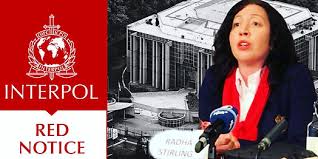
- Red Notices: Assisting in the issuance and validity of Red Notices, which are international requests to locate and provisionally arrest a person pending extradition.
- Legal Representation: Representing Interpol in legal matters, including disputes between member countries concerning extradition and legal obligations.
- Trainings and Workshops: Conducting training sessions for law enforcement officials from various nations to ensure proper adherence to legal standards in using Interpol services.

Legal Expertise in Transnational Crime
The complexity of transnational crime requires an in-depth understanding of various legal systems. Interpol lawyers must be well-versed in international law, which includes treaties, conventions, and protocols that govern cross-border issues. Their expertise ensures that Interpol’s operations do not violate national laws or international human rights standards.
The Importance of Interpol’s Legal Framework
Interpol operates under a well-defined legal framework that guides its operations. This framework is essential for protecting the rights of individuals targeted by law enforcement, particularly in the context of Red Notices. The role of Interpol lawyers is to ensure that these legal tools are used ethically and judiciously, thereby maintaining the integrity of the organization.
Challenges Faced by Interpol Lawyers
The role of an Interpol lawyer is fraught with challenges. Some of these challenges include:
- Jurisdictional Issues: Navigating the complex landscape of legal jurisdictions can be difficult, especially when laws vary widely from one nation to another.
- Political Influences: Interpol must remain politically neutral, but the reality is that political pressures can influence legal proceedings and the issuance of Red Notices.
- Human Rights Concerns: Ensuring that the rights of individuals are not compromised in the pursuit of justice is a critical consideration for Interpol lawyers.
Case Studies: Success Stories

Numerous success stories illustrate the vital role of Interpol lawyers in thwarting criminal activities. One notable example involves a complex case of human trafficking that spanned across multiple countries. With the legal expertise of Interpol lawyers, law enforcement agencies were able to coordinate their efforts, leading to the successful apprehension of key traffickers and the rescue of numerous victims. Their legal guidance ensured that all actions taken were within the bounds of international law, which played a crucial role in the case’s successful prosecution.
Future Trends in International Law Enforcement
As crime evolves, so too must the strategies employed by Interpol and its legal teams. Cybercrime, in particular, presents new challenges that require innovative legal approaches. The growing reliance on technology and digital evidence necessitates training for Interpol lawyers to stay abreast of technological advancements and legal implications in cyberspace.
The Growing Need for Interpol Lawyers
The increasing complexity of international law and the rise in cross-border criminal activities underscore the growing need for skilled Interpol lawyers. As globalization continues to shape the world, the necessity for legal professionals who are adept in navigating international law will only intensify. This demand propels the development of more robust legal frameworks and training programs, enhancing the capacity of Interpol to respond effectively to global crime challenges.
Conclusion
Interpol lawyers are essential not just for the internal functioning of the organization but also for the effective cooperation between nations combatting crime. Their expertise ensures that while pursuing justice, human rights are respected, and legal integrity is upheld. As international crime continues to evolve, the role of these legal experts will be pivotal in shaping the future of global law enforcement.