
Exploring Various Deposit Methods for Online Transactions
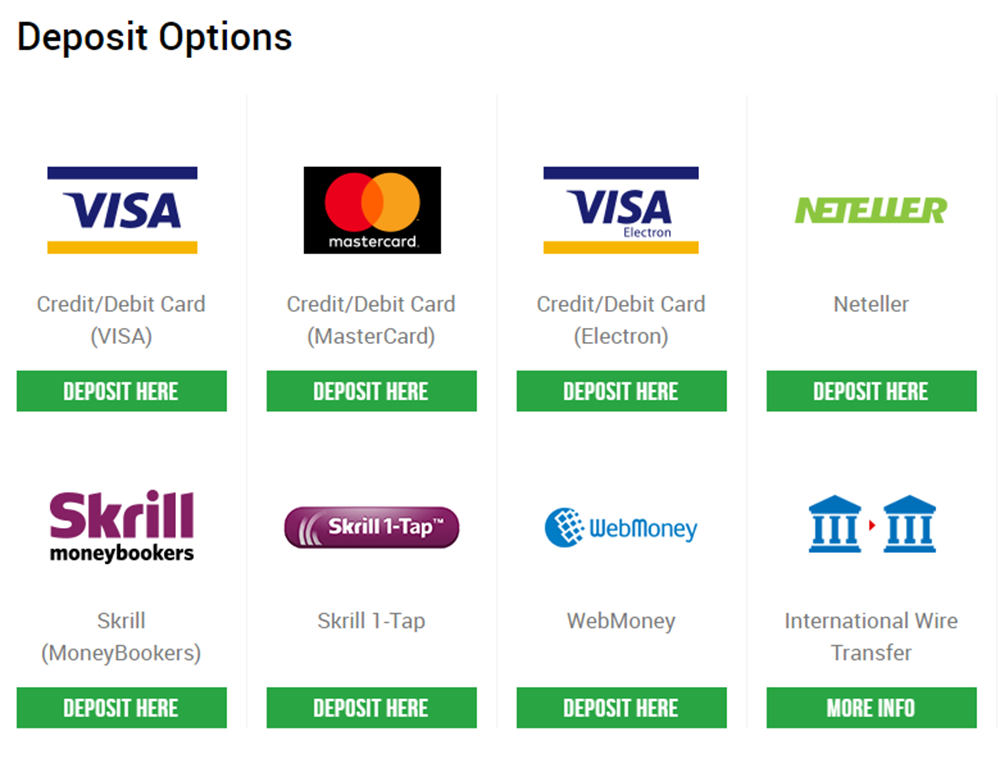
In today’s digital age, the way we transact has changed dramatically. With the rise of online gambling, e-commerce, and other digital financial services, understanding the various deposit methods has become crucial. This article delves into popular deposit methods, their pros and cons, and what to consider when choosing the right option for your needs.
The Importance of Choosing the Right Deposit Method
Selecting a suitable deposit method is essential for ensuring a secure and convenient transaction experience. The right choice can affect not only your level of satisfaction but also the speed and security of your deposits. With a variety of options available, making an informed decision can help you avoid potential pitfalls.
Popular Deposit Methods
1. Credit and Debit Cards
Credit and debit cards are one of the most common deposit methods for online transactions. They offer immediate processing times and wide acceptance across various platforms.
Pros:
- Instant deposits
- Widely accepted
- Easy to use and convenient
Cons:
- Potential for high fees on some cards
- Possible overspending if not monitored
- Information security concerns
2. E-Wallets
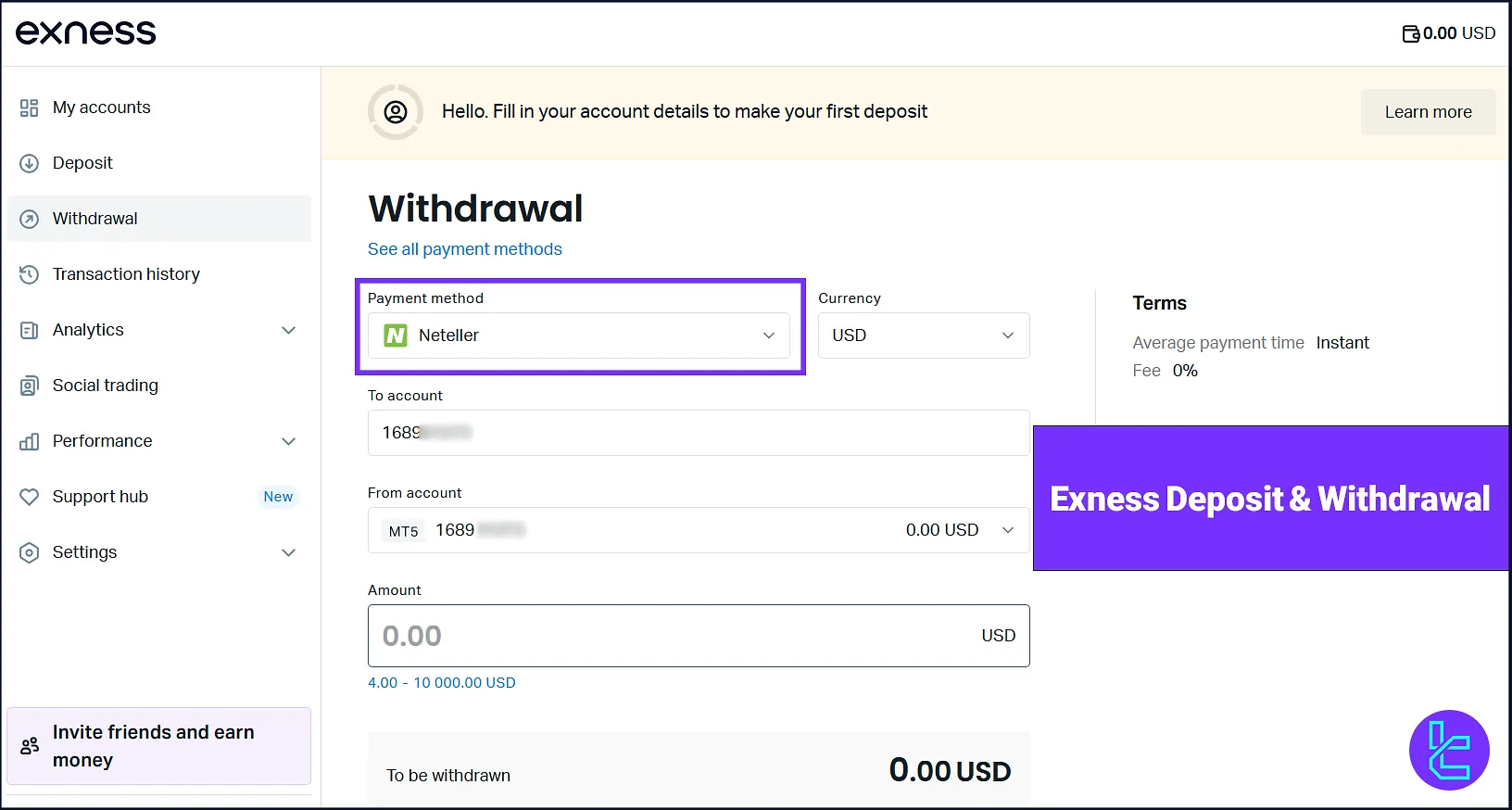
E-wallets, such as PayPal, Skrill, and Neteller, offer a secure and quick method for making deposits. They act as intermediaries between your bank account and online platforms.
Pros:
- Enhanced privacy and security
- Fast transactions
- Convenient mobile applications available
Cons:
- Fees for transactions in some cases
- Not universally accepted
- Potential account verification issues
3. Bank Transfers
Bank transfers are a traditional method of depositing funds. While they are generally secure, they may take longer to process than electronic methods.
Pros:
- Highly secure
- No need for third-party services
- Good for large transactions
Cons:
- Slower processing times
- May incur bank fees
- Not ideal for small deposits
4. Cryptocurrencies
With the surge in popularity of cryptocurrencies like Bitcoin, Ethereum, and others, many platforms are beginning to accept digital currencies as deposit methods. These options appeal to tech-savvy users looking for privacy and reduced transaction fees.
Pros:
- High level of anonymity and security
- Lower fees compared to traditional banking methods
- Fast transactions, often instantaneous
Cons:
- Volatility of cryptocurrency values
- Complexity of understanding cryptocurrencies
- Not widely accepted yet
5. Prepaid Cards
Prepaid cards are another popular option, allowing users to load a specific amount of money onto a card for use solely within the limits of the preloaded balance.
Pros:
- Control over spending
- No risk of overdrawing bank accounts
- Good for budgeting
Cons:
- Could incur fees for reloading
- Limited acceptance compared to credit/debit cards
- Less convenient for larger transactions
Factors to Consider When Choosing a Deposit Method
When deciding on a deposit method, consider the following factors:
- Transaction Speed: How quickly do you need the funds to be available?
- Fees: Are there any fees associated with the method you are considering?
- Security: Is the deposit method secure, and does it have a good reputation?
- Convenience: Is the method easy to use and widely accepted on platforms you frequent?
Conclusion
Understanding the various deposit methods available is essential for navigating online transactions smoothly. From credit and debit cards to cryptocurrencies and e-wallets, each option comes with its own set of advantages and disadvantages. By assessing your needs and considering the factors discussed, you’ll be better equipped to choose the deposit method that best suits your lifestyle and transaction requirements.