

Understanding OFAC Blocked Transactions: Implications and Guidelines
In the realm of international finance and trade, understanding the role of the Office of Foreign Assets Control (OFAC) is imperative for compliance and operational success. OFAC, a division of the U.S. Department of the Treasury, administers and enforces economic and trade sanctions based on U.S. foreign policy and national security goals. In this article, we will explore the nature of OFAC blocked transactions, the reasons behind such actions, and the implications for companies and individuals engaged in global commerce. For a comprehensive overview, you can check this detailed article on the topic: OFAC blocked transactions https://aproquen.org/articles/ofac-blocked-transactions-explained.html.
What are OFAC Blocked Transactions?
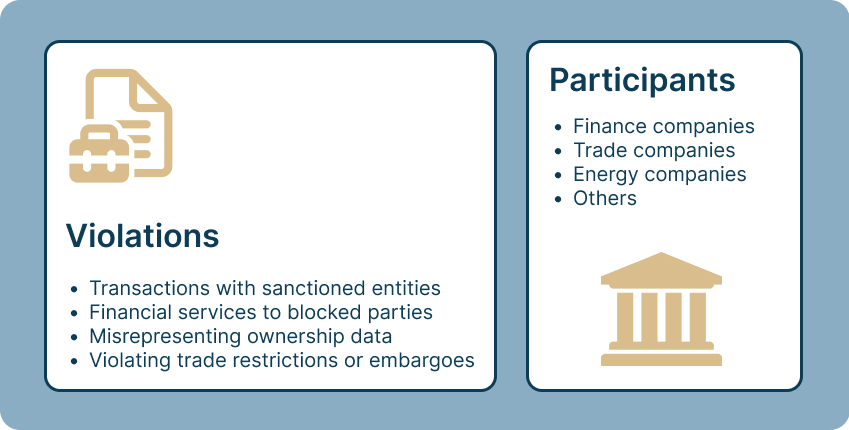
Blocked transactions refer to financial transactions that are prohibited under U.S. sanctions regulations. These sanctions may target specific countries, individuals, entities, or organizations known to engage in activities contrary to U.S. interests. When a transaction is blocked, it means that any assets involving the sanctioned party cannot be processed or transferred, effectively freezing them under U.S. jurisdiction.
Why Transactions Get Blocked
There are various reasons why OFAC might impose sanctions leading to blocked transactions. Some of the key reasons include:
- National Security Concerns: Transactions that may contribute to terrorism, weapons proliferation, or other security threats are often blocked.
- Violation of Human Rights: Transactions with individuals or entities involved in human rights abuses may be prohibited.
- Drug Trafficking: Sanctions may target those involved in drug-related crimes and trafficking.
- Cyber Activities: Transactions involving malicious cyber activities that threaten U.S. interests can also result in blocking.
Consequences of Engaging in Blocked Transactions
Engaging in blocked transactions can lead to a multitude of legal and financial ramifications. Businesses and individuals found in violation of OFAC regulations may face hefty fines, legal actions, and reputational damage. Additionally, financial institutions that process these transactions can also face penalties, including the loss of their ability to operate within the U.S. financial system.
How to Identify Blocked Transactions
Recognizing blocked transactions requires a robust compliance program. Organizations should implement thorough due diligence measures, including:
- Screening: Regularly screen customers, suppliers, and partners against OFAC’s Specially Designated Nationals and Blocked Persons List (SDN List).
- Transactions Monitoring: Monitor all transactions for potential matches against OFAC lists and implement alerts for any flagged items.
- Training: Provide ongoing training to employees involved in financial transactions to ensure they understand how to recognize and respond to potential blocked transactions.
R
esponding to Blocked Transactions
In the event that a transaction is identified as prohibited, several steps should be taken immediately:
- Halting the Transaction: Stop any further processing of the transaction as soon as it is flagged.
- Reporting: Depending on the nature of the transaction, it may be necessary to report it to OFAC.
- Seeking Legal Counsel: If there’s uncertainty regarding the implications of a blocked transaction, seeking legal advice is crucial.
Exemptions and Licenses
While many transactions are blocked, it’s essential to recognize that OFAC does grant specific licenses that may allow certain transactions to proceed under particular circumstances. These licenses can be categorized into:
- General Licenses: These authorize specific transactions across the board.
- Specific Licenses: These must be applied for and granted on a case-by-case basis, allowing individuals or entities to proceed with otherwise prohibited transactions.
Importance of Compliance
For businesses operating in global markets, compliance with OFAC regulations is not merely advisable; it is essential. Non-compliance can lead to severe consequences, including financial penalties and a tarnished reputation. Therefore, companies should integrate comprehensive risk management strategies that encompass understanding and complying with OFAC guidelines.
Conclusion
OFAC blocked transactions represent a pivotal area in international finance, deeply intertwined with the legal and ethical conduct of businesses. Understanding the nuances of these regulations, the reasons behind sanctions, and the consequences of violations is crucial for maintaining compliance and protecting organizational interests. As global commerce continues to evolve, the landscape of sanctions and blocked transactions will remain a critical consideration for businesses engaged in international trade.