
Understanding the psychology behind gambling decisions in casinos
The Thrill of Uncertainty
The allure of gambling often lies in the thrill of uncertainty. Players are drawn to the unpredictability of outcomes, which stimulates the brain’s reward system. This phenomenon, rooted in behavioral psychology, suggests that the anticipation of winning can produce a rush akin to that experienced in high-stakes situations. This thrill encourages individuals to continue gambling, even when they experience losses. For example, many players find that visiting mr fortune enhances their excitement through its engaging games and interactive features.
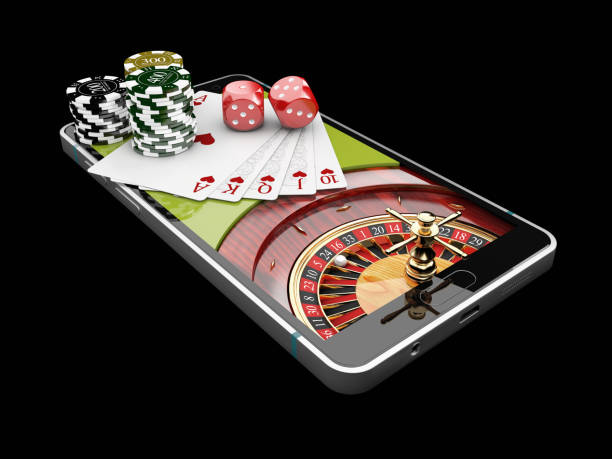
Moreover, the excitement associated with uncertainty can create an addictive cycle. As players engage in more gambling, their brains release dopamine, reinforcing the behavior. This chemical response can lead to an overestimation of the likelihood of winning, further fueling their desire to gamble.
Social Influences on Gambling Behavior
Social environments play a crucial role in shaping gambling decisions. Casinos are designed to create a communal atmosphere where players can share their experiences, victories, and losses. This social interaction can enhance the enjoyment of gambling and may encourage individuals to take risks they wouldn’t consider in isolation.
Furthermore, peer pressure and social norms surrounding gambling can influence how decisions are made. The presence of friends can amplify the desire to participate, often leading to increased betting amounts or extended playtime. Individuals may feel compelled to match the enthusiasm of their peers, contributing to impulsive gambling behaviors.
The Role of Cognitive Biases
Cognitive biases significantly affect gambling decisions, often leading individuals to make irrational choices. One of the most prevalent biases is the “gambler’s fallacy,” where players believe that past outcomes can influence future results. For example, a player may think that a slot machine is “due” for a win after a series of losses, despite the independence of each spin.
Additionally, confirmation bias can lead gamblers to focus on their wins while downplaying their losses. This selective perception reinforces the belief that they are skillful players, further entrenching them in their gambling habits. Understanding these cognitive biases is essential for recognizing the pitfalls of gambling behavior.
The Impact of Marketing and Casino Design
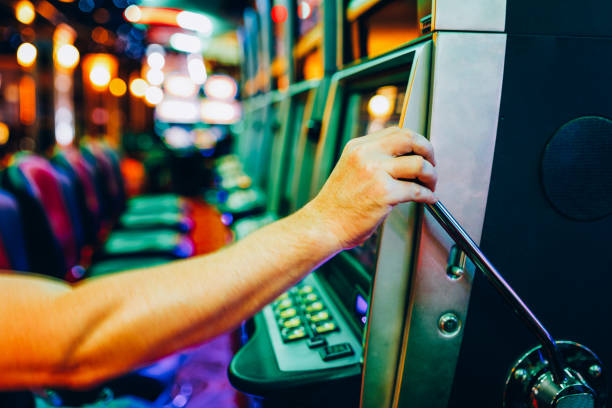
The marketing strategies employed by casinos and their physical design significantly influence gambling decisions. Bright lights, enticing sounds, and visually appealing layouts create an immersive experience that captivates players. These elements are specifically crafted to heighten excitement and prolong the gaming experience.
Moreover, promotional offers such as free spins, loyalty programs, and bonuses can manipulate players’ decision-making processes. These incentives often create an illusion of value, encouraging individuals to gamble more than they initially intended. Such marketing tactics exploit psychological principles, ultimately leading to increased spending.
Mr-Fortune.com: A Modern Gambling Experience
Mr-Fortune.com embodies the latest advancements in online casino gaming, offering a platform that prioritizes both entertainment and user experience. With a diverse array of games, including slots and live dealer options, the site caters to various player preferences, ensuring engagement and enjoyment.
The focus on security and fair play at Mr-Fortune.com fosters a sense of trust among players. Robust customer support is also available to assist users with any inquiries, enhancing the overall experience. By combining psychological insights with innovative gaming solutions, Mr-Fortune.com creates an environment that not only entertains but also encourages responsible gambling practices.